Unleashing Creativity: The Power of Design Technology in IB Schools
In the rapidly evolving landscape of 21st-century education, the International Baccalaureate (IB) curriculum has emerged as a beacon of holistic learning, empowering students to tackle complex challenges with a global mindset. At the heart of this transformative approach lies design technology, a discipline that seamlessly blends creativity, innovation, and environmental consciousness.
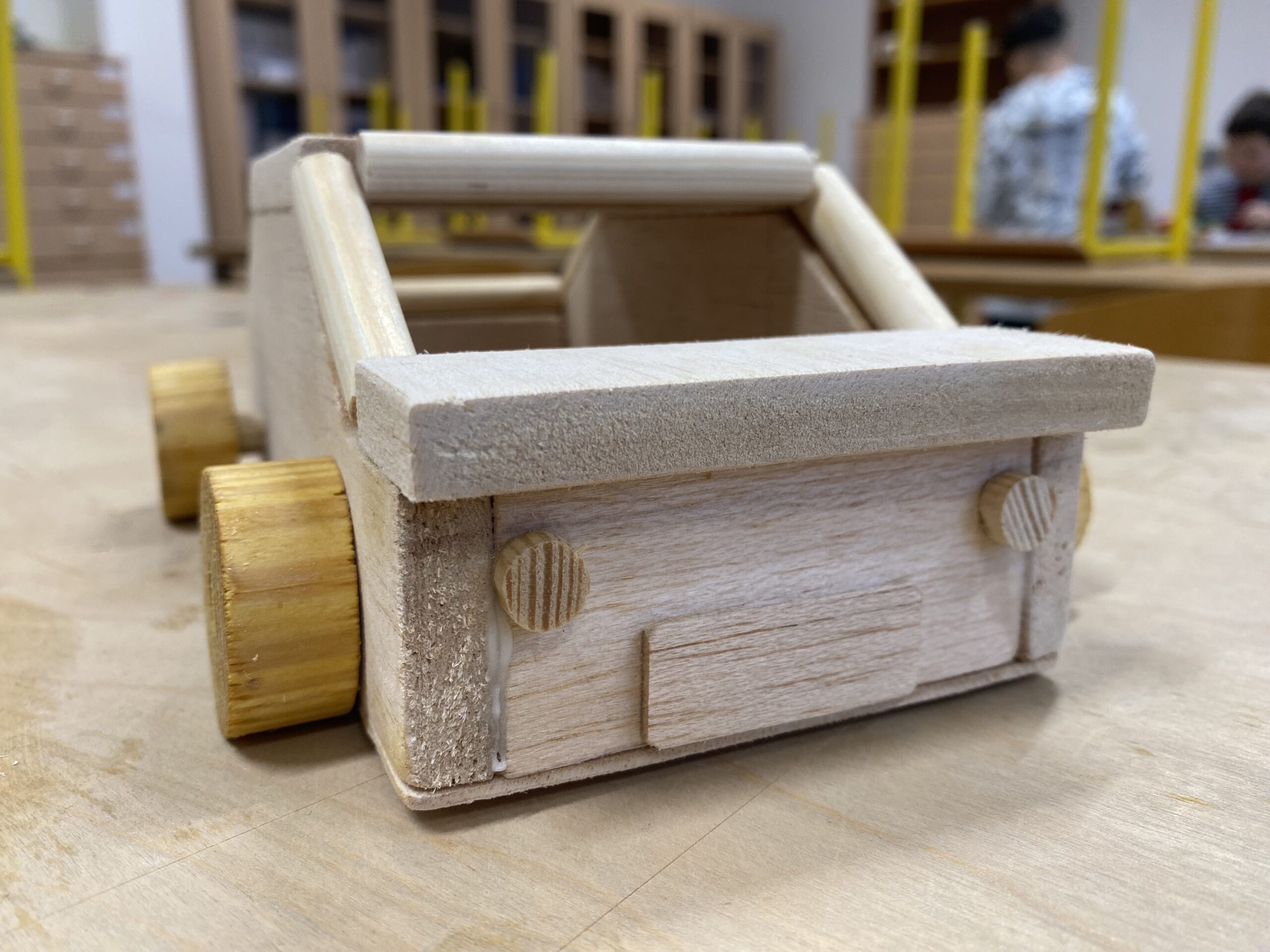
The IB’s emphasis on design technology is particularly evident in the unit on sustainable wooden toys, where students embark on a journey of discovery, problem-solving, and hands-on creation. This captivating unit not only nurtures essential skills but also inspires a deep appreciation for the delicate balance between functionality, aesthetics, and sustainability.
Uncovering the Design Process: A Pathway to Innovation
Design technology in IB schools is more than just a subject – it’s a powerful framework for learning that encourages students to cultivate a designer’s mindset. At the heart of this approach is the design process, a cyclical journey that takes learners through the stages of inquiry, ideation, creation, and evaluation.
In the sustainable wooden toys unit, students begin by exploring the factual foundations of their task. They delve into the world of sustainable wood sources, investigating the properties and characteristics that make certain materials suitable for toy production. This research-driven phase lays the groundwork for their creative endeavors, ensuring they have a solid understanding of the challenges and opportunities that lie ahead.
As students progress, they transition into the conceptual realm, grappling with questions that challenge their preconceptions. How can they balance aesthetics and functionality in their toy designs? What are the environmental implications of their choices, and how can they minimize the impact on the planet? These thought-provoking inquiries encourage students to think critically, consider multiple perspectives, and develop a nuanced understanding of the relationship between design and sustainability.
But the true magic happens in the final stages of the design process, where students put their ideas into action. They present a range of creative toy designs, each with its own unique spin on the challenge. The process of selecting and refining their chosen concept not only fosters collaboration and communication skills but also instills a sense of ownership and pride in their work.
The culmination of this unit comes as students meticulously craft their sustainable wooden toys, drawing upon their burgeoning woodworking skills and attention to detail. As they navigate the hands-on construction process, they learn to adapt and problem-solve, making modifications to ensure their creations function as intended. This iterative approach to design is a hallmark of the IB curriculum, empowering students to embrace setbacks as opportunities for growth and innovation.
Cultivating a Holistic Skillset: The Power of Design Technology
Design technology in IB schools is not just about creating physical products – it’s about cultivating a holistic skillset that prepares students for the challenges of the modern world. Through the sustainable wooden toys unit, learners develop a diverse array of Approaches to Learning (ATL) skills that transcend the boundaries of a single discipline.
Social skills, such as collaboration and communication, are honed as students work in teams to brainstorm, refine, and present their ideas. The ability to listen, negotiate, and build consensus becomes essential as they navigate the design process together.
Self-management skills, including organization and reflection, are equally vital. Students must effectively manage their time and resources, while also taking the time to evaluate the effectiveness of their designs and identify areas for improvement. This metacognitive awareness helps them become more self-aware, resilient, and adaptable learners.
The research and media literacy skills cultivated in this unit are equally transformative. As students delve into the world of sustainable wood sources and toy safety standards, they learn to navigate the vast landscape of information, discerning credible sources and synthesizing their findings to inform their design decisions.
Perhaps most importantly, design technology nurtures critical and creative thinking skills that empower students to tackle complex, real-world challenges. Whether they’re analyzing the environmental impact of their design choices or generating innovative toy concepts, learners are encouraged to think outside the box, consider multiple perspectives, and approach problems with an open and flexible mindset.
These holistic skills are not just valuable within the confines of the classroom – they are essential for navigating the rapidly changing, interconnected world beyond. By immersing students in the design process, IB schools are equipping them with the tools they need to become adaptable, resourceful, and socially responsible global citizens.
Fostering Environmental Consciousness: Sustainable Design in Action
At the heart of the sustainable wooden toys unit lies a deep commitment to environmental consciousness – a core value that permeates every aspect of the IB curriculum. As students grapple with the challenge of creating functional, aesthetically-pleasing toys while minimizing their impact on the planet, they engage in a powerful exploration of the relationship between design and sustainability.
The unit’s emphasis on sustainable wood sources and production techniques encourages learners to think critically about the materials they choose and the implications of their decisions. They delve into the properties and characteristics of various sustainable woods, weighing the tradeoffs between durability, aesthetics, and environmental impact. This process of informed decision-making not only strengthens their understanding of material science but also cultivates a heightened awareness of the role they play as designers and consumers.
But the environmental consciousness fostered in this unit extends far beyond the selection of materials. As students progress through the design process, they must also consider the lifecycle of their toys – from production to distribution to eventual disposal or recycling. They explore the ways in which sustainable design choices can mitigate the environmental footprint of their creations, whether it’s through the use of renewable resources, the optimization of manufacturing techniques, or the incorporation of eco-friendly end-of-life solutions.
This holistic approach to sustainable design empowers students to think critically about the broader implications of their work. They grapple with the delicate balance between functionality, aesthetics, and environmental responsibility, ultimately crafting toys that not only delight their young users but also contribute to a more sustainable future.
The far-reaching impact of this unit is not limited to the toys themselves. By engaging in this design challenge, students develop a deeper appreciation for the role of design in shaping a more sustainable world. They become ambassadors of environmental consciousness, armed with the knowledge and skills to advocate for responsible, eco-friendly practices in their communities and beyond.
Nurturing the Next Generation of Changemakers
As an IB design technology teacher, I have the profound responsibility of preparing my students for the challenges of the 21st century. In an era defined by rapid technological advancement, environmental crises, and global interconnectedness, the need for innovative, adaptable, and socially-conscious leaders has never been more pressing.
The IB curriculum, with its emphasis on design technology, offers a transformative approach to education that equips students with the tools they need to navigate this complex landscape. Through units like sustainable wooden toys, learners are empowered to think critically, problem-solve creatively, and develop a deep sense of environmental stewardship.
As I guide my students through the design process, I witness their intellectual and creative development firsthand, fostering their curiosity, risk-taking, and problem-solving abilities. My role as a facilitator, mentor, and inspiration is instrumental in shaping the next generation of changemakers.
I embrace this unit as a chance to cultivate a classroom environment that is both stimulating and transformative. I encourage my students to take risks, think creatively, and consider the broader implications of their design decisions. By doing so, I play a vital role in shaping the next generation of designers, problem-solvers, and sustainability champions – individuals who are poised to tackle the challenges of the 21st century with passion, resilience, and a deep commitment to the well-being of our planet.
As we look to the future, the importance of design technology in IB schools cannot be overstated. It is a discipline that bridges the gap between theory and practice, between abstract concepts and tangible solutions. Through the sustainable wooden toys unit and other design-focused initiatives, students are not just learning – they are actively shaping the world around them, one innovative idea and eco-friendly creation at a time.
So let us embrace the power of design technology, celebrate the creative spirit of our students, and work together to cultivate a generation of global citizens who are ready to tackle the challenges of tomorrow. The future is ours to design.
 IMG 6981
 IMG 6982
 IMG 6983
 IMG 6984
 IMG 6939
 IMG 6940
 IMG 6941
 IMG 6947
 IMG 6948
 IMG 6962
 IMG 6963
 IMG 6964
 IMG 6965
 IMG 6966
 IMG 6969
 IMG 6970